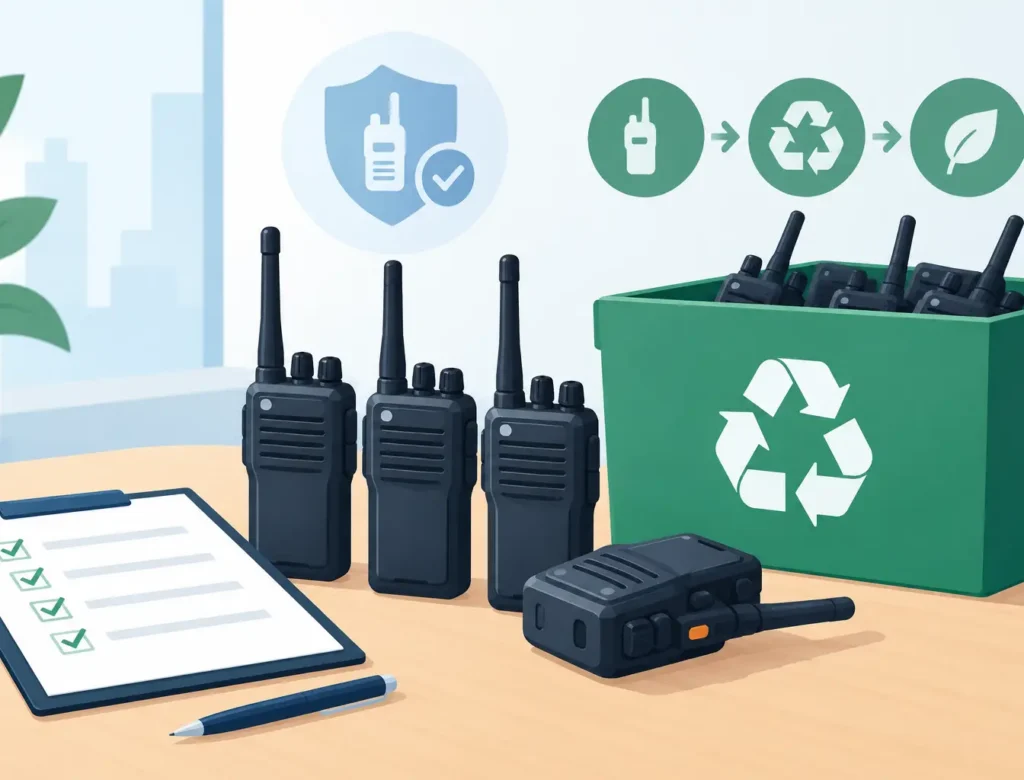
A radio fleet replacement can create a quiet but costly problem: shelves, vehicles, dispatch rooms, and storage cages suddenly hold equipment that is no longer in service but still carries value, data, and compliance obligations. To prepare radios for equipment retirement properly, organizations need more than a box and a shipping label. They need a controlled disposition process that protects sensitive programming, documents assets, preserves resale value, and keeps unusable electronics out of the waste stream.
For hospitals, school districts, utilities, municipalities, manufacturers, logistics operators, and public agencies, this work is often assigned alongside a system upgrade, facility move, or budget deadline. That is exactly why retirement planning should begin before the first replacement radio is issued. A few disciplined steps can reduce administrative burden, support a faster valuation, and turn surplus communications equipment into measurable financial recovery.
Start With a Clear Retirement Scope
The first decision is identifying what is actually leaving service. A radio fleet is rarely just portable radios. It may include mobile radios installed in vehicles, control stations, repeaters, base stations, chargers, speaker microphones, batteries, antennas, programming cables, cases, and spare parts accumulated over years of operation.
Separate equipment into practical groups: equipment that is operational, equipment with known defects, accessories, and material that appears obsolete or damaged. Do not assume older equipment has no market value. Professional LMR equipment across low-band, VHF, UHF, and 800 MHz systems may still have resale potential, particularly when model numbers, accessories, and condition are clearly identified.
Retirement scope also depends on your replacement strategy. If the organization is moving to a new platform, certain assets may qualify for trade-in value. If a fleet is being reduced because of consolidation or operational changes, resale may be the primary objective. Equipment that cannot be resold should follow a documented recycling path. The right outcome depends on age, condition, demand, frequency band, accessories, and whether the equipment can be safely and legally returned to the secondary market.
Build an Inventory That Supports Value and Accountability
An inventory does not need to become a months-long audit. It does need to give finance, operations, procurement, and the disposition partner a reliable picture of what exists. Accurate information speeds up fair-market valuation and prevents disagreements after pickup.
At minimum, record the manufacturer, model number, quantity, serial number when available, general condition, and whether batteries, chargers, microphones, or other accessories are included. Clear photos are useful for larger lots, base stations, mobile-radio installations, and equipment with obvious cosmetic damage.
For agencies and enterprises, serial-number records are particularly valuable. They establish chain of custody, support asset-register updates, and confirm that retired units have left the organization. If equipment was assigned to employees, departments, vehicles, or sites, reconcile those records before disposition. A radio missing from a retirement lot may still be in a patrol vehicle, maintenance truck, emergency cache, or field office.
Avoid spending excessive time testing every unit if that effort delays the project. A qualified buyer can assess a mixed lot and account for untested or nonworking units. The key is honest condition information. Labeling a radio as untested is better than representing it as functional without verification.
Remove Data Before Radios Leave Your Control
Retired radios can retain more information than many organizations expect. Programming may reveal talkgroup names, channel plans, fleet identifiers, site details, operational labels, emergency configurations, contact information, and network-related settings. Some equipment may also hold encryption keys or other sensitive security material.
Before equipment changes hands, establish which party is responsible for data removal and how that work will be documented. Internal radio staff may clear units before release, especially where encryption or agency-specific procedures apply. In other cases, a qualified disposition specialist can provide certified data wiping as part of the retirement process.
The appropriate approach depends on the radio type and the sensitivity of its configuration. Public safety, healthcare, utilities, government, and critical-infrastructure organizations should use their established security policies and involve the communications manager or system administrator early. Do not rely on removing a battery, changing a channel knob, or performing a casual reset as proof that data is gone.
Encryption management requires added care. Follow the manufacturer guidance and internal key-management procedures for zeroization and key destruction. Keep records showing who authorized the process, which equipment was cleared, and when it occurred. This protects the organization if questions arise later about system access or data exposure.
Prepare Radios for Equipment Retirement Without Losing Value
Once inventory and data-handling decisions are complete, prepare the physical equipment for transfer. Start by removing organization-specific labels only when removal will not damage the radio or leave adhesive residue that lowers resale value. Keep asset tags and serial labels intact until the inventory is reconciled. A serial number that cannot be read can complicate valuation and chain-of-custody records.
Pair radios with their correct accessories whenever possible. A portable radio with its matching battery, charger, antenna, belt clip, and speaker microphone can be more useful to a future buyer than those same items scattered across multiple boxes. The same principle applies to mobile radios, where control heads, mounting hardware, power cables, and microphones may materially affect value.
Batteries deserve special handling. Lithium-ion and other rechargeable batteries can be damaged by heat, crushing, loose storage, or improper packing. Inspect for swelling, corrosion, leakage, or physical damage. Set aside compromised batteries and identify them clearly rather than placing them in a general equipment box. Damaged battery handling may require different transportation and recycling procedures under applicable DOT requirements.
Do not discard chargers, cables, manuals, or specialized accessories simply because they are no longer needed internally. These items can improve reuse potential and reduce the amount of material that requires recycling. At the same time, do not delay a project hunting for every missing accessory. A timely, accurately described lot is usually more valuable operationally than a perfect inventory delivered months late.
Use Packing That Protects Equipment and People
Packing is where avoidable value loss often occurs. Radios are durable in the field, but loose equipment can still crack displays, break knobs, damage connectors, and harm batteries during transport. Use sturdy boxes sized for the contents, place padding between units, and avoid overfilling. Heavy mobile radios, base-station components, and power supplies may need separate cartons or more substantial packaging.
Keep like items together and label each carton with a simple description, such as portable radios, mobile radios, chargers, accessories, or batteries. If the lot is large, box counts and pallet labels make receiving faster and reduce the chance of misplaced equipment. Include an inventory reference inside or on the shipment when permitted by your organization’s security policies.
Organizations should not have to absorb the logistics burden of retirement. A specialized radio buyer can arrange nationwide pickup and provide packing compensation, which is especially useful when equipment is spread across campuses, warehouses, service centers, or regional offices. Confirm the pickup plan, access requirements, loading responsibilities, and any site-specific security rules before the scheduled date.
Select a Disposition Partner That Can Handle the Full Outcome
The lowest-effort option is not always the lowest-risk option. General liquidators may not understand LMR model values, radio programming risks, battery transportation requirements, or the proper downstream path for nonresalable equipment. A retirement partner should be able to distinguish equipment with resale potential from equipment that requires compliant recycling, without forcing the organization to manage separate vendors.
Ask for a clear explanation of the quotation process, pickup responsibilities, payment timing, data-wiping documentation, and recycling practices. The right partner should accept mixed lots, including equipment that conventional buyers may decline, while providing a transparent path for viable equipment, trade-in credit, or no-cost recycling as appropriate.
For many organizations, accredited specialization is meaningful because communications assets require category-specific knowledge. Radiowell combines same-day fair-market quotes, free nationwide pickup, rapid payment, certified data wiping, and regulatory-compliant recycling for used professional two-way radio equipment.
Keep Documentation Until the Retirement Is Closed
The retirement project is not complete when the truck leaves. Retain the inventory, pickup confirmation, valuation records, data-wiping certificate where applicable, payment documentation, and recycling records. These documents help close out fixed-asset records, support sustainability reporting, and demonstrate responsible handling to auditors, leadership, and stakeholders.
They also provide a practical baseline for the next replacement cycle. Organizations that record what was retired, recovered, recycled, and traded in can forecast future fleet transitions with far greater certainty.
A well-managed radio retirement gives an outdated fleet one of two responsible futures: productive reuse where equipment still has value, or compliant recycling where it does not. Treating that decision as part of lifecycle management protects operations, recovers budget, and leaves your team free to focus on the communications system now carrying the mission forward.
More News
-
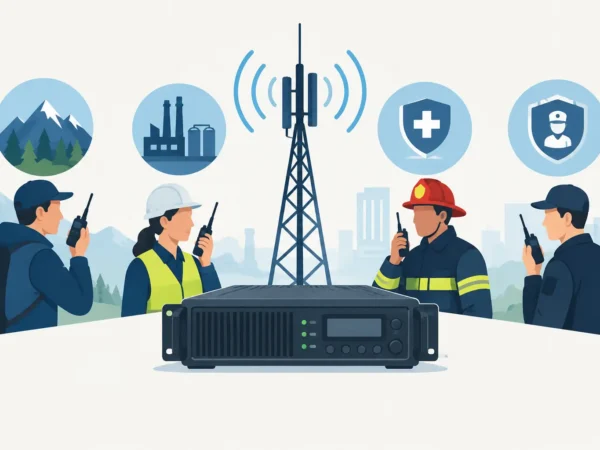
Who Buys Radio Repeaters and What They Look For
Who buys radio repeaters? See which organizations purchase surplus equipment and how compliant resale preserves value, data security,…
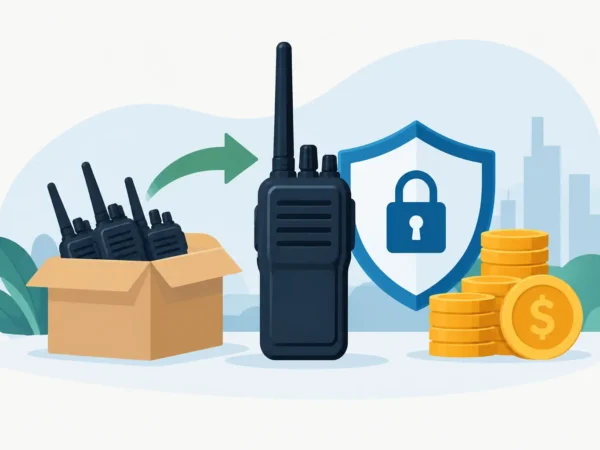
Radio Asset Recovery That Pays and Protects
Radio asset recovery turns retired two-way radios into value while protecting data, meeting compliance duties, and reducing disposal…
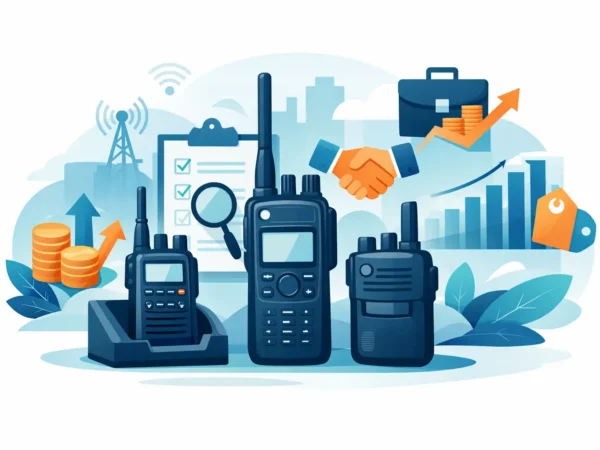
How to Sell Motorola Radios for Maximum Value
Learn how to sell Motorola radios with secure data handling, free pickup, fair-market value, and compliant recycling for…

America’s largest buyer of used two-way radio equipment. Maximizing value, compliance, and sustainability for surplus LMR equipment.
Recycle and Partners