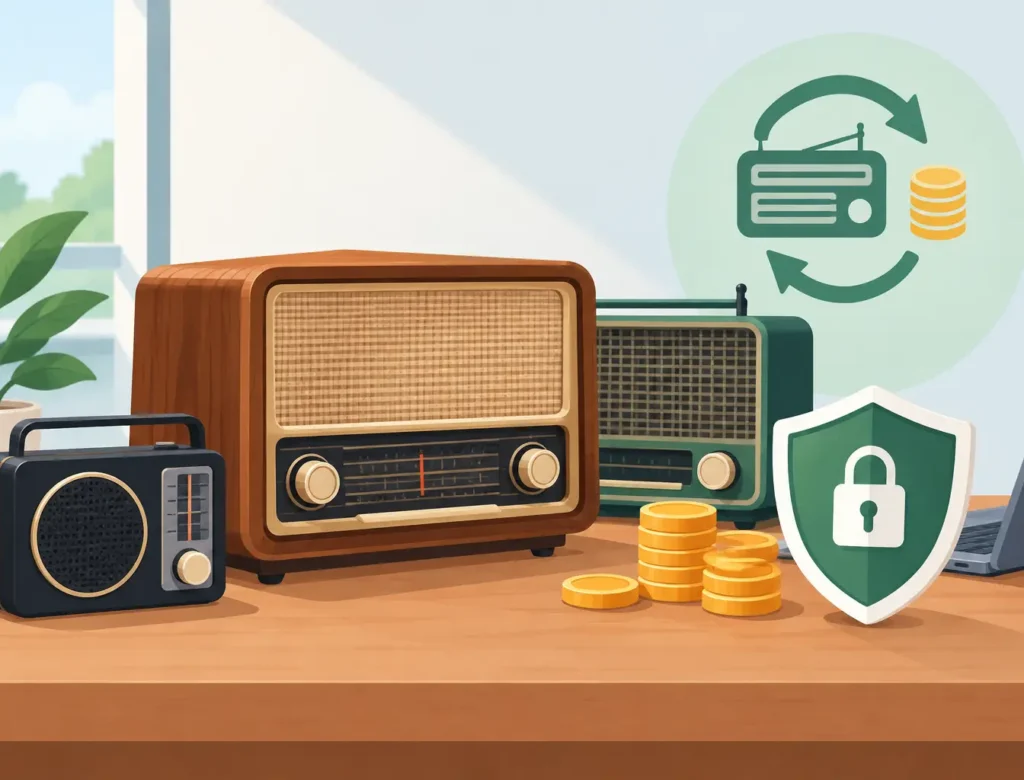
A retired radio fleet is rarely worthless. Portable radios pulled from service after a system upgrade, mobile radios removed from vehicles, surplus chargers, microphones, and base-station components may still have resale value. Learning how to monetize retired radios allows an organization to recover budget, reduce storage demands, and close out old assets without creating a data-security or environmental liability.
For hospitals, municipalities, school districts, manufacturers, utilities, and logistics operations, the decision is bigger than clearing a supply room. Professional land mobile radio equipment can contain programming files, talkgroup information, encryption material, unit IDs, and operational details. The right disposition process turns surplus equipment into financial recovery while maintaining control of sensitive assets from pickup through final resale or recycling.
Start With an Accurate Inventory
Value begins with identification. A mixed lot of two-way radios may include equipment with very different demand profiles, even when the units look similar. Record the manufacturer, model number, quantity, frequency band, and general condition of each radio. Include portable radios, mobile radios, repeaters, base stations, control stations, chargers, batteries, antennas, speaker microphones, and programming accessories.
Frequency matters. Low-band, VHF, UHF, and 700/800 MHz equipment serve different markets, and compatibility can affect resale value. So can the radio’s generation, feature set, and ability to support currently used standards. A newer digital portable radio in working condition may command meaningful value, while an older analog model may be worth less individually but still contribute value as part of a larger lot.
Do not assume that missing accessories make equipment unsellable. A radio body without a battery or charger can still have value. Conversely, do not spend heavily refurbishing equipment before requesting an evaluation. A specialist buyer can determine whether repairs, parts recovery, resale, or recycling makes the most financial sense.
Separate Resalable Equipment From Equipment That Requires Recycling
The most effective way to monetize retired radios is to match each asset to its best end-of-life path. Some units can be inspected, resold, and returned to productive use. Others have limited resale demand but retain parts value. Equipment that cannot be responsibly reused should enter a compliant recycling stream.
That distinction matters because forcing all equipment through a single liquidation channel often leaves money on the table. A general electronics recycler may process usable radios as scrap. A conventional auction may expose your organization to uncertain pricing, buyer defaults, shipping complications, and inadequate data handling. Selling individual units online can create administrative work that quickly outweighs the return, especially for a fleet disposition.
A specialized LMR buyer evaluates the lot as communications equipment, not simply as e-waste. This creates a more complete outcome: viable assets are purchased for resale, components with recoverable value are handled appropriately, and non-resalable items are recycled under applicable environmental and transportation requirements.
How to Monetize Retired Radios Through a Specialist Buyback
For most organizations, a buyback is the most direct route to a predictable recovery. The process should begin with a fair-market quote based on the inventory, condition, age, demand, and included accessories. Clear photos can help when model labels are worn or when a lot includes several configurations.
A capable buyer should provide a quote quickly and explain what is included. This is particularly valuable when a replacement project is underway and facilities or fleet teams need retired equipment removed on a defined schedule. The strongest programs also arrange nationwide pickup at no cost, reducing the burden of boxing, freight coordination, and internal shipping approvals.
Packing compensation can matter for larger projects. If your team must consolidate radios from multiple sites, pull equipment from vehicles, or prepare storage cages for collection, the labor involved is real. A disposition partner that recognizes this cost helps preserve the net value of the transaction rather than shifting logistics expenses back to your organization.
Payment terms should be equally clear. Whether your organization requires a check, ACH payment, or trade-in credit toward replacement equipment, establish the method before pickup. Asset recovery should be measurable, documented, and easy for procurement and finance teams to reconcile.
Protect Data, Programming, and Operational Information
Retired radios can hold more information than many organizations expect. Depending on the model and configuration, stored data may include channel plans, fleet maps, radio IDs, network settings, telephone interconnect details, contact lists, text messages, GPS information, and encryption-related material. Leaving that information on a radio can expose operational practices long after the device has left service.
Before disposition, identify whether your radio fleet uses encryption, over-the-air programming, trunked-system programming, or proprietary management software. Involve the radio system administrator, communications manager, or IT security team early. They can confirm whether keys must be removed, whether configurations need to be cleared, and whether records of serial numbers or unit IDs must be retained.
Data wiping should be performed through a documented process, not assumed because a radio has been turned off or removed from a charger. Ask for certification that addresses the handling of programmed data and the ultimate disposition of equipment. For public-sector agencies, healthcare organizations, and critical-infrastructure operators, this documentation may be essential for internal policy, audit readiness, and risk management.
Consider Trade-In Value During a System Upgrade
If your organization is replacing a radio system, trade-in can be more useful than a separate sale. Applying the residual value of retired equipment toward new radios, accessories, or system services can reduce the immediate capital requirement and simplify the project budget.
Trade-in value depends on timing. Equipment generally has stronger demand while it remains compatible with active user communities and before a model becomes difficult to support. Waiting until radios have been stored for years can reduce value through battery degradation, lost accessories, obsolete technology, and incomplete asset records.
That does not mean every retired radio should be sold immediately. Some organizations need a short-term reserve fleet during cutover, seasonal operations, or disaster response planning. The practical approach is to identify the number of units required for continuity, then monetize the true surplus rather than holding an entire legacy fleet indefinitely.
Avoid the Common Value Killers
The largest losses often occur before a buyer sees the equipment. Units get mixed with unrelated electronics, labels are removed, batteries are left to swell or leak, and accessories disappear during storage. Poor conditions can reduce both resale value and the efficiency of sorting a lot.
Avoid these four mistakes:
- Sending usable radios directly to a generic scrap recycler without an LMR-specific valuation.
- Selling units one at a time when staff time, packing, and buyer management exceed the additional return.
- Shipping radios without confirming data-wiping requirements and chain-of-custody expectations.
- Delaying disposition until equipment is damaged, incomplete, or no longer in demand.
A simple inventory, secure staging area, and defined disposition owner prevent most of these problems. Keep equipment dry, avoid stacking heavy items on radio displays or control heads, and retain matched accessories whenever possible.
Build Compliance and Sustainability Into the Decision
Monetizing retired radios should not require choosing between revenue and responsibility. Reuse extends the useful life of communications equipment and reduces the demand for newly manufactured devices. When reuse is not viable, compliant e-waste processing keeps batteries, circuit boards, metals, and other materials out of inappropriate disposal channels.
The compliance standard should extend beyond recycling. Professional radio equipment may be subject to FCC considerations, battery-shipping rules, DOT requirements, internal records-retention policies, and agency-specific procurement procedures. A qualified disposition partner should understand the difference between a consumer walkie-talkie and a managed LMR fleet used for public safety, healthcare, field operations, or industrial communications.
Radiowell’s model is designed for this reality: assess usable radio equipment for purchase, provide free nationwide pickup, document secure handling, and responsibly recycle what cannot be resold. That approach helps organizations recover value without turning a surplus project into a logistics or compliance problem.
Make Retirement a Planned Asset-Recovery Event
The best time to plan radio disposition is before replacement equipment arrives. Add a retirement workstream to the project plan, assign an owner, capture inventory data, and request a market evaluation while the equipment is still organized and accessible. This creates a cleaner handoff for operations teams and a clearer financial result for leadership.
Retired radios may have finished their work for your organization, but they can still support your budget, sustainability goals, and risk-management obligations. Treating them as recoverable communications assets gives every unit a deliberate next step.
More News
-
How Radio Resale Partners Protect Asset Value
Radio resale partners help organizations recover value, protect sensitive radio data, manage pickups, and meet recycling obligations with…
How to Document End-of-Life Radio Processing
Document end-of-life radio processing with asset records, secure wiping, pickup proof, and recycling certificates that support audits and…
How LMR Recyclers Protect Value and Compliance
LMR recyclers help organizations recover equipment value, protect sensitive radio data, and meet e-waste requirements with documented handling…

America’s largest buyer of used two-way radio equipment. Maximizing value, compliance, and sustainability for surplus LMR equipment.
Recycle and Partners