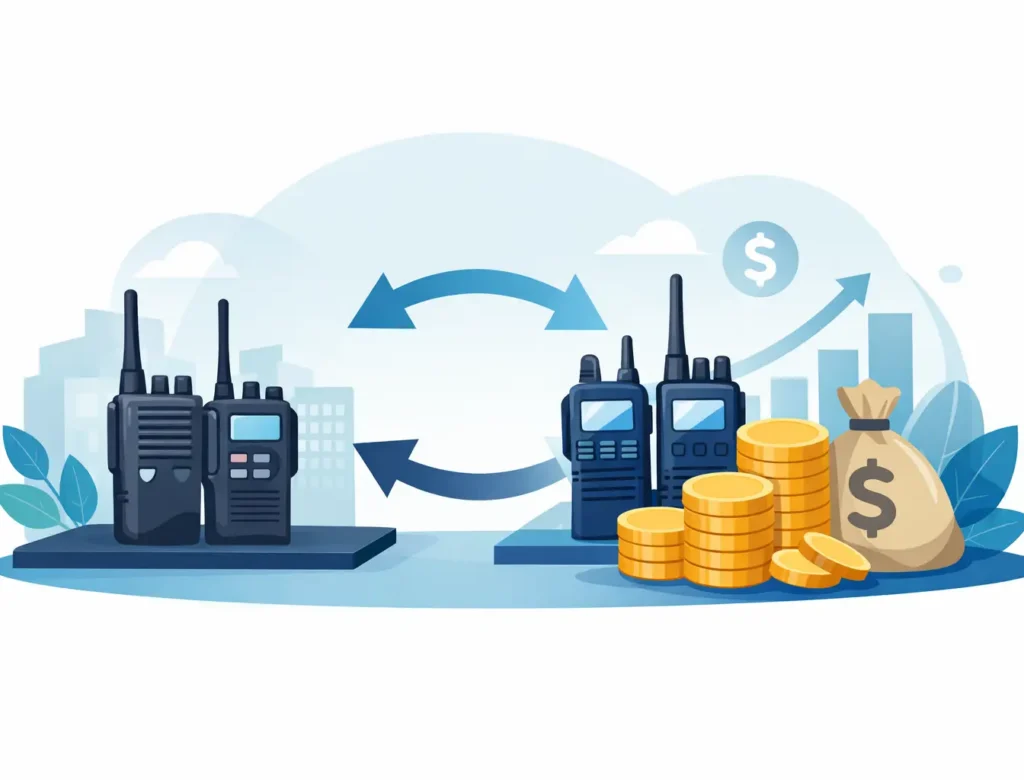
A radio replacement project can leave an organization with pallets of portable radios, vehicle mobiles, chargers, microphones, repeaters, and accessories that still carry value. A two-way radio buyback program turns that surplus into a managed asset recovery process instead of a storage problem. The right program provides a fair-market quote, handles nationwide logistics, protects sensitive data, and directs every unit toward resale or compliant recycling.
For hospitals, municipalities, utilities, manufacturers, school districts, and logistics operations, this is not simply about clearing a closet. Retired land mobile radio equipment can contain programming, unit IDs, talkgroup information, and in some cases encryption-related data. It also represents capital that should be accounted for before it becomes obsolete or is disposed of without documentation.
What a Two-Way Radio Buyback Program Does
A buyback program purchases surplus professional radio equipment from organizations that are upgrading, consolidating systems, closing facilities, or retiring inventory. Depending on the equipment and its condition, the seller may receive direct payment or trade-in credit toward replacement communications equipment.
The best outcome is rarely achieved by selling a few radios individually. Enterprise and public-sector fleets require a process that can evaluate mixed inventory, coordinate pickup across locations, document the chain of custody, and determine which assets are suitable for resale. Equipment that cannot be resold should be routed to compliant e-waste processing rather than sent to a general scrap stream.
That distinction matters. A general electronics recycler may not understand the market for LMR equipment or the sensitivity of radio programming. A specialist evaluates equipment by model, band, condition, demand, accessories, and resale potential – then applies radio-specific data handling and disposition practices.
Start With an Accurate Equipment Inventory
A useful quote begins with enough detail to identify what is available. A perfect asset list is not required, but better information supports a faster and more reliable valuation. Gather model numbers, quantities, condition notes, and photos when practical. Include equipment that is often overlooked, such as speaker microphones, batteries, chargers, antennas, control stations, repeaters, mobiles, and installation hardware.
Professional two-way radio equipment may include low-band, VHF, UHF, 700/800 MHz, and other LMR configurations. Frequency band alone does not determine value, but it helps a buyer assess compatibility, market demand, and likely resale channels. Age also matters, though an older model is not automatically worthless. Certain legacy radios, parts, and accessories remain useful to organizations maintaining existing systems.
For large fleets, sort the inventory into four practical categories:
- Fully functional equipment removed during an upgrade
- Equipment with cosmetic wear, missing accessories, or known repair needs
- Unprogrammed spares and unopened inventory
- Damaged, obsolete, or non-working units requiring recycling
Separating these categories does not need to slow down a project. It helps the buyer assign value where value exists and establish the correct disposition route for equipment that has reached the end of its usable life.
What Determines Radio Buyback Value
Fair-market value is based on more than a manufacturer name or an original purchase price. Buyers typically consider the exact model, frequency range, age, operating condition, quantity, completeness, and current market demand. A large, consistent fleet can be more valuable than scattered units because it is easier to test, refurbish, and redeploy.
Accessories can materially change the outcome. A radio accompanied by its correct battery, charger, antenna, belt clip, and microphone is usually more useful than a bare unit. On the other hand, swollen batteries, broken displays, damaged housings, or missing components can reduce resale value. That does not necessarily mean the equipment should be discarded. Parts recovery and compliant recycling may still provide a responsible path.
Timing is another factor. Values generally decline as a product line ages and replacement systems become standard. Requesting a quote soon after an upgrade decision can preserve more value than holding radios in storage for years. Storage also creates hidden costs: inventory administration, lost accessories, uncertain ownership, and greater risk that sensitive data remains accessible.
Secure Data Handling Is Part of the Transaction
A radio can retain more information than many asset owners expect. Configuration files may reveal channel names, frequencies, network details, unit assignments, contact lists, scan lists, and operational procedures. Depending on the system, radios may also contain encryption keys or other security-sensitive material.
Removing a radio from service does not guarantee that information has been erased. Resetting a device may not satisfy an organization’s security policy, and simply removing labels or batteries does nothing to address stored programming. Public safety agencies, healthcare systems, utilities, and critical infrastructure operators should treat retired radios as controlled communications assets until their data disposition is documented.
Ask the buyback provider how it handles radio programming and whether it provides certified data wiping documentation. The process should be appropriate to the equipment type and the organization’s internal security, procurement, and records-retention requirements. If encryption is involved, coordinate with the radio system administrator before release so key-management procedures are followed correctly.
A Better Process for Pickup, Packing, and Payment
Logistics can determine whether a buyback project becomes efficient or burdensome. A provider should be prepared to work around operational constraints, whether radios are centralized in one warehouse or distributed across multiple field locations. Free nationwide pickup and packing compensation can eliminate the friction that often causes disposition projects to stall.
A straightforward process generally follows four stages. First, the organization submits an inventory or speaks with a radio asset specialist. Second, it receives a same-day or prompt fair-market quote based on the available details. Third, the equipment is packed and collected with clear shipping or pickup instructions. Finally, the assets are inspected, data is handled according to the agreed process, and payment or trade-in credit is issued.
There is a trade-off between speed and certainty. A preliminary quote based on photos and model counts can move a project forward quickly, while final value may depend on receiving and inspecting the equipment. Reputable buyers explain that distinction up front. They should also identify how they handle quantity variances, damaged units, missing accessories, and equipment that differs from the submitted list.
For organizations with formal procurement controls, retain the quote, inventory, pickup records, wiping documentation, payment confirmation, and recycling certificates as applicable. These records support asset retirement, financial reconciliation, security review, and sustainability reporting.
Resale First, Recycling When Necessary
A responsible two-way radio buyback program follows a circular equipment model. Radios with continued service life can be tested, refurbished when appropriate, and returned to the market for users who need dependable communications equipment at a lower cost. This extends the useful life of valuable electronics and reduces demand for premature replacement.
Not every radio belongs in resale. Equipment that is non-functional, severely damaged, obsolete beyond market demand, or unsafe to reuse should be processed through compliant recycling channels. Proper e-waste handling helps keep batteries, circuit boards, metals, and other materials out of improper disposal streams while supporting EPA, FCC, DOT, and applicable e-waste requirements.
The right answer depends on the equipment. An organization should not have to choose between recovering value and meeting environmental responsibilities. A qualified specialist can assign resale value to usable assets while managing no-value equipment responsibly.
Choosing the Right Buyback Partner
Before releasing a fleet, evaluate the buyer as carefully as you would evaluate any other asset disposition provider. Look for demonstrated experience with professional LMR equipment, transparent valuation practices, secure data-wiping procedures, documented recycling options, and the ability to coordinate logistics at your scale.
Ask direct operational questions. Can the provider buy portable radios, mobiles, base stations, repeaters, and accessories? Does it accept mixed manufacturers and multiple frequency bands? Is pickup available nationwide? How are packing costs handled? When is payment issued? What documents will your organization receive after the transaction?
A specialist such as Radiowell can make the process more manageable by combining valuation, pickup, data handling, resale, trade-in, and recycling under one controlled workflow. That reduces handoffs, avoids shipping equipment to multiple vendors, and gives internal stakeholders a clearer record of what happened to every retired asset category.
Price should matter, but it should not be the only decision point. A higher informal offer loses its appeal if the buyer cannot protect programming data, manage freight, document disposal, or follow through on payment. The most valuable program is one that produces a fair return while reducing operational, security, and compliance exposure.
When replacement radios are being planned, include disposition in the project from the first budget discussion. A current inventory, early quote, and defined release process can turn retired equipment into funding for the next communications system – without leaving valuable or sensitive assets behind.
More News
-
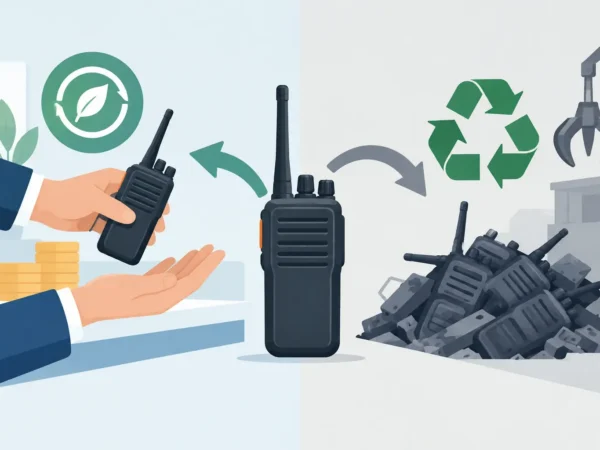
Radio Buyback Versus Scrapping Explained
Radio buyback versus scrapping affects recovery, compliance, data security, and sustainability. See how to choose the right route…
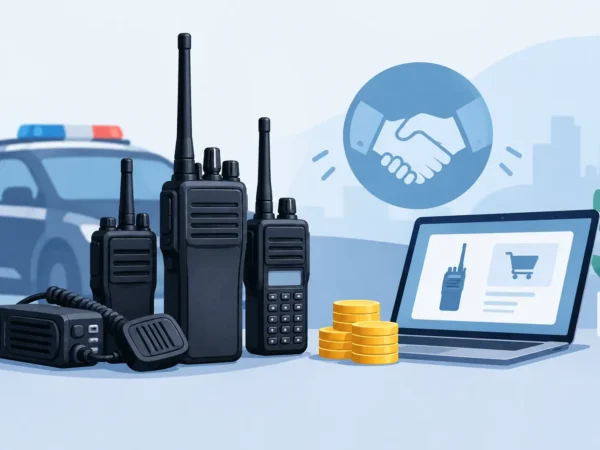
Where to Sell Police Radios for Maximum Value
Where to sell police radios securely: compare buyers, protect programming data, recover fair value, and arrange compliant pickup…
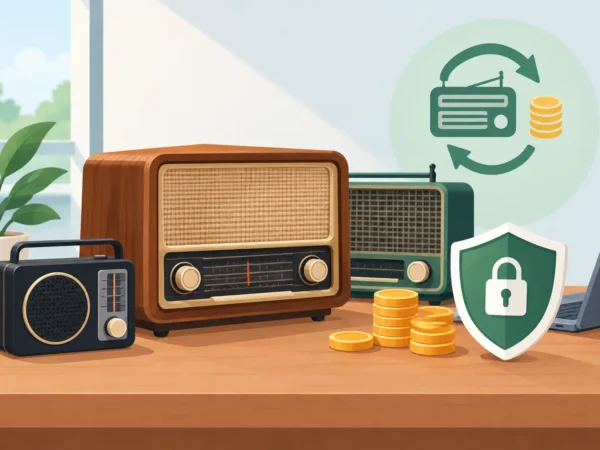
How to Monetize Retired Radios Without Risk
Learn how to monetize retired radios with fair valuation, secure data handling, free pickup, resale options, and compliant…

America’s largest buyer of used two-way radio equipment. Maximizing value, compliance, and sustainability for surplus LMR equipment.
Recycle and Partners