
A fleet replacement can leave hundreds of radios in a storeroom, each carrying a different mix of resale potential, programming data, batteries, accessories, and compliance obligations. Used radio equipment valuation turns that mixed inventory into a clear disposition decision: what can be sold, what should be credited toward replacement equipment, and what requires certified recycling.
For hospitals, municipalities, utilities, manufacturers, school districts, and logistics operations, this is not a matter of posting a few radios for sale. Professional land mobile radio equipment has a specialized secondary market. Value depends on whether a buyer can safely redeploy the equipment, support its configuration, and move it through resale channels. The right process protects operational information while recovering value from assets that may otherwise become a storage and disposal expense.
What Used Radio Equipment Valuation Measures
A fair-market valuation is an assessment of what equipment can reasonably sell for in the current secondary market, not what it originally cost or what a replacement model costs today. A radio fleet may have represented a significant capital purchase, but its recoverable value is determined by present demand, condition, completeness, and the cost to prepare it for resale.
Valuation should cover the entire asset set, not just the portable radios. Mobile radios, base stations, repeaters, control stations, chargers, speaker microphones, antennas, mounting hardware, and compatible batteries can all affect the final recovery amount. In some cases, accessories add meaningful value because they allow a buyer to put equipment into service quickly. In other cases, obsolete accessories, damaged batteries, or incomplete assemblies reduce the usable value of an otherwise desirable unit.
The practical question is not simply, “What is this radio worth?” It is, “What is the net value of this equipment after identification, testing, secure data handling, packing, transportation, and responsible end-of-life processing?” A specialist buyer evaluates that full equation before issuing a quote.
The Factors That Drive Radio Resale Value
Model, band, and current market demand
Make and model are the starting point. Commercial-grade portable, mobile, and fixed LMR equipment from established manufacturers often retains value when it remains compatible with systems still in service. VHF, UHF, 700/800 MHz, and low-band equipment each serve different user groups, so demand varies by model and frequency band.
Age alone does not decide value. A well-supported older radio with an active installed base may be more marketable than a newer unit that was deployed in limited numbers. Conversely, equipment approaching end of support, tied to a discontinued platform, or displaced by a major technology shift may have little resale demand even if it powers on.
Trunking capability, digital protocols, intrinsically safe ratings, display configurations, and feature licenses can also change a valuation. The same model number may not produce the same offer if one version includes sought-after hardware options and another does not.
Quantity and consistency of the fleet
Organizations often underestimate the value of a uniform lot. A buyer can test, process, and redistribute 200 matching radios more efficiently than 200 unrelated units from different generations. Consistent fleets are also useful to purchasers that need spares, expansion units, or replacement devices for an existing system.
That does not mean mixed inventory has no value. Surplus rooms commonly contain several generations of radios, chargers, mobiles, and parts. A qualified buyer can separate resalable units from equipment best directed to recycling. The key is to present the full inventory rather than disposing of lower-value items first and leaving the buyer only the most difficult material.
Physical condition and functional status
Cosmetic wear is expected on field equipment. Scratches, worn labels, or minor housing marks do not automatically eliminate resale value. Serious damage, corrosion, cracked displays, missing knobs, failed ports, water intrusion, or nonfunctional controls can reduce the offer because they increase refurbishment cost and limit resale options.
Functional status matters, but organizations should not spend weeks trying to test every unit before requesting a quote. A useful inventory separates equipment into broad categories such as working, untested, damaged, or for parts. Serial numbers, photos, and a clear description of the radios’ operating environment give the buyer enough information to make an informed preliminary assessment.
Accessories, batteries, and completeness
A radio body without a battery, charger, antenna, or belt clip can still be valuable, especially for a model with a strong parts market. However, complete radio packages usually command stronger demand. OEM accessories generally support value better than unknown or damaged aftermarket components.
Batteries require special attention. Their age, chemistry, condition, and shipping requirements can affect both resale potential and handling cost. Swollen, damaged, or depleted batteries should not be treated as ordinary electronics. A proper disposition partner can identify which batteries are suitable for resale channels and which need compliant recycling.
Programming, encryption, and asset controls
Retired radios may retain talkgroups, system keys, channel plans, unit IDs, contact lists, fleet maps, Wi-Fi credentials, or encryption-related data. That information can create an operational and security exposure long after the radios leave service.
Secure handling is therefore part of used radio equipment valuation, not a separate afterthought. Equipment with unresolved programming or ownership controls may be harder to resell. Organizations should expect a documented process for data wiping and, where applicable, management of encryption material and other restricted configurations. Removing old asset tags and recording serial numbers also helps maintain chain-of-custody accountability.
Why Original Purchase Price Can Mislead
Procurement records are useful for identifying equipment, but original price is not a reliable resale benchmark. A radio purchased at a premium may now have limited demand due to system migration, manufacturer support changes, or the availability of newer equipment. Another radio that cost less initially may retain value because service organizations and end users still depend on it.
Replacement cost can be equally misleading. The price of a new radio includes warranty coverage, current features, dealer support, and a new product lifecycle. Used equipment is valued for its remaining utility in a secondary market. Comparing a resale offer to a new-equipment quote will rarely produce a useful decision.
A better benchmark is the total disposition outcome: cash recovery or trade-in credit, avoided storage costs, no-cost pickup where available, secure processing, documentation, and responsible recycling for non-resalable equipment. The highest per-unit promise is not always the strongest outcome if it excludes freight, leaves damaged assets behind, or transfers compliance risk back to the organization.
Preparing an Inventory for a Faster Quote
A detailed spreadsheet is helpful, but it does not need to be perfect. Start with manufacturer, model number, quantity, frequency band if known, and whether the equipment is portable, mobile, base-station, or related accessory equipment. Add serial-number ranges when practical, note obvious damage, and include photos of representative units, chargers, batteries, and accessories.
Keep the equipment together until the evaluation is complete. Separating chargers from radios, removing antennas, or discarding older accessories can make identification harder and reduce the chance of recovering value from complete sets. If equipment is installed in vehicles, cabinets, or facilities, note that in the inventory so removal and packaging can be planned correctly.
Before release, designate an internal owner for approvals, records, and security questions. Facilities, procurement, communications, IT asset disposition, and finance teams often share responsibility for the same fleet. A single point of contact prevents delays when a buyer needs confirmation on ownership, data handling, pickup timing, or payment instructions.
Choosing a Buyer That Can Handle the Full Outcome
An offer should be evaluated alongside the buyer’s operating process. Ask whether the buyer specializes in professional two-way radio equipment, can provide a same-day fair-market quote, and can arrange nationwide pickup without adding logistics cost to the seller. Confirm how packing is handled, when payment is issued, and what documentation is provided.
Security and environmental controls deserve equal attention. The buyer should have a clear method for wiping data, handling restricted programming, and processing batteries and non-resalable electronics under applicable EPA, FCC, DOT, and e-waste requirements. These requirements are particularly relevant for public agencies, healthcare systems, critical infrastructure operators, and organizations with formal sustainability reporting obligations.
Radiowell approaches disposition as a circular-equipment process: viable equipment can be resold, trade-in value can support replacement purchases, and equipment without a resale path can be recycled responsibly. That approach matters because a radio fleet rarely fits into one category. A professional valuation recognizes value where it exists while providing a compliant path for everything else.
The best time to begin valuation is before the replacement rollout is complete and storage becomes the default plan. With an organized inventory and a qualified radio specialist, surplus equipment can move from a liability on a shelf to documented financial recovery, protected information, and a responsible next use.
More News
-
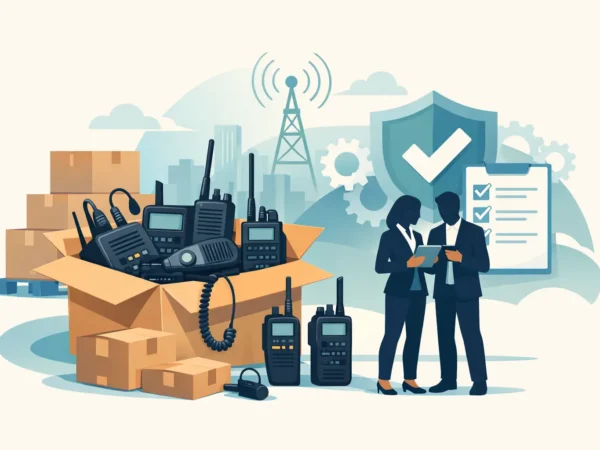
Bulk Radio Liquidation Without Compliance Gaps
Bulk radio liquidation can recover value, protect sensitive data, and simplify compliant recycling. Learn what a controlled disposition…
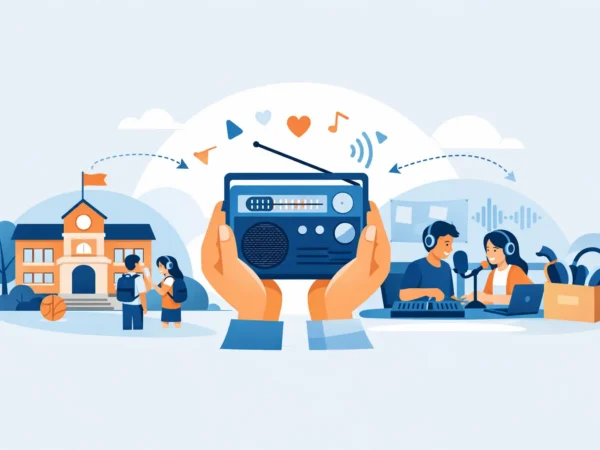
How a School Radio Donation Program Works
Plan a school radio donation program that protects data, meets FCC and e-waste obligations, and puts usable two-way…
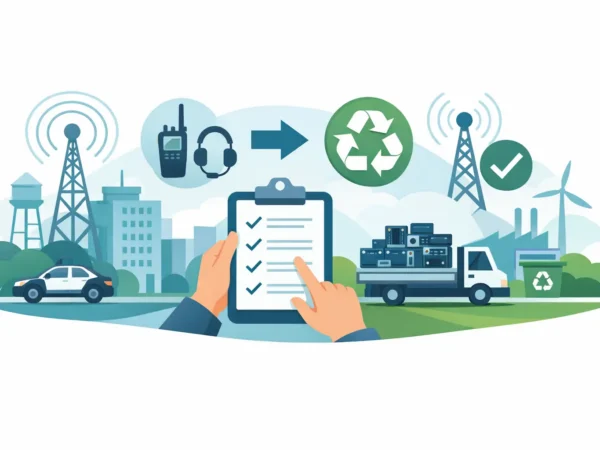
Municipal Radio Asset Disposition Done Right
Municipal radio asset disposition can recover budget, protect radio data, and ensure compliant recycling when communication fleets are…

America’s largest buyer of used two-way radio equipment. Maximizing value, compliance, and sustainability for surplus LMR equipment.
Recycle and Partners