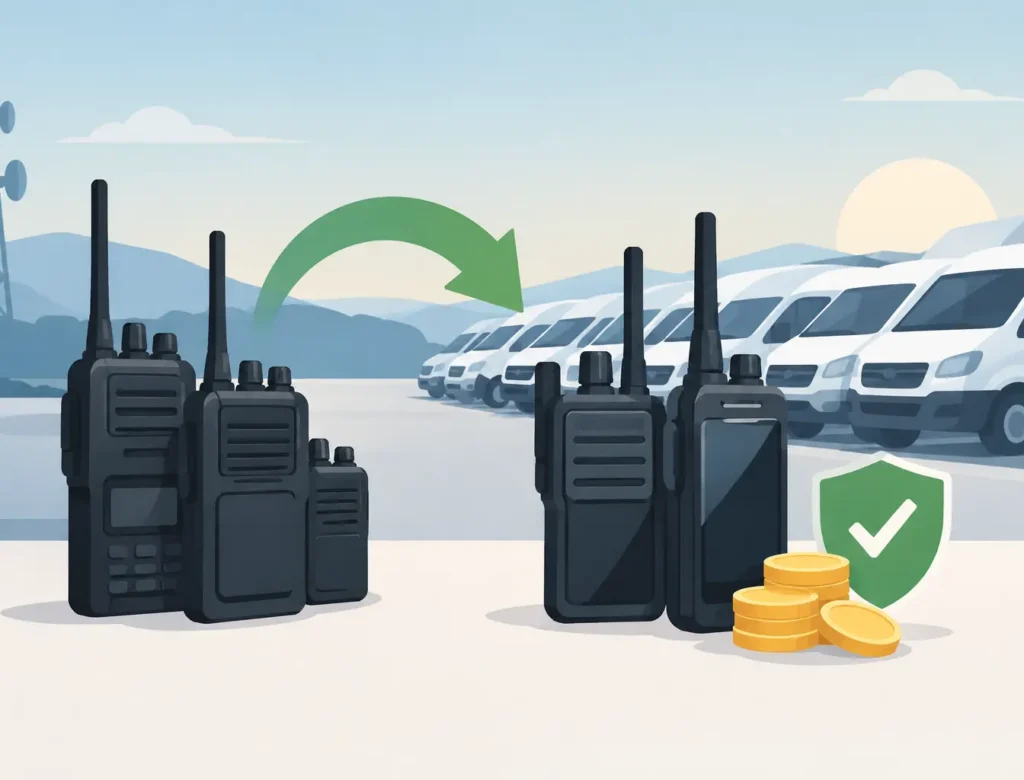
A radio replacement project is not complete when new units are deployed. The retired portable radios in lockers, vehicle mobiles in maintenance bays, base stations in closets, and chargers on shelves still represent assets, data risks, and disposal obligations. Knowing how to retire radio fleets properly gives your organization a clear path to recover value while protecting sensitive information and avoiding unnecessary logistics costs.
For hospitals, municipalities, school districts, utilities, manufacturers, and logistics operations, fleet retirement is rarely just a matter of clearing space. Radios may contain talkgroup programming, encryption keys, system identifiers, user records, location settings, or other operational details that should not leave your control without verified handling. At the same time, equipment that appears outdated may retain meaningful resale or trade-in value.
Start Retirement Planning Before the Replacement Rollout
The best time to plan radio disposition is before the replacement fleet arrives. Once old and new equipment overlap, storage areas fill quickly, serial-number records become harder to reconcile, and surplus equipment can be mixed with radios still needed for backup coverage or parts support.
Create a retirement scope that identifies what will leave service and when. Include portable radios, mobile radios, repeaters, base stations, control stations, microphones, antennas, chargers, batteries, speaker microphones, programming cables, and spare parts. A complete picture produces a more accurate valuation and prevents valuable accessories from being discarded separately.
Your inventory does not need to be perfect to begin. A model number, estimated quantity, condition notes, and a few clear photos are often enough for an initial fair-market quote. For larger fleets, an asset list with serial numbers can improve reconciliation and support internal finance or procurement requirements.
Separate equipment into three practical groups: units that remain in active service, units retained as contingency spares, and equipment approved for disposition. This protects continuity during cutover. A radio that is no longer part of the long-term fleet may still be essential during a phased migration, emergency response event, or delayed installation.
How to Retire Radio Fleets Securely
A retired radio can retain far more than its physical components. Programming files, channel plans, encryption material, aliases, network settings, and fleet identifiers may remain in the device. The risk varies by radio model and system configuration, but organizations should assume that communications equipment requires controlled handling until it has been wiped or destroyed through an appropriate process.
Begin by defining who has authority to release the fleet. Communications, IT, security, procurement, facilities, and finance may each have a role. A documented chain of custody is especially valuable for public-sector agencies, healthcare organizations, critical infrastructure operators, and any organization subject to internal data-governance rules.
Before pickup, remove radios from service according to your operating procedures. Deactivate or reassign subscriber records in the applicable system, recover encryption keys where required, and retain any records needed for audit or replacement support. Do not rely on a basic reset as proof that sensitive programming has been removed. The correct approach depends on the radio platform, the information stored, and the organization’s security policy.
A qualified radio lifecycle partner should provide documented data wiping for eligible equipment and compliant processing for items that cannot be resold. Ask what records will be available after disposition. Certificates, inventory reconciliation, and clear confirmation of recycling or resale handling help close the loop internally.
Assess Value Before You Dispose of Equipment
Age alone does not determine whether a radio fleet has value. Demand may remain for professional LMR equipment across low-band, VHF, UHF, and 800 MHz systems. Portable radios, vehicle-mounted mobiles, repeaters, base stations, and accessories can all contribute to a disposition recovery amount when they are functional, supportable, and marketable.
Condition matters, but it is only one factor. Model, frequency band, feature set, quantity, included accessories, cosmetic condition, battery health, and current market demand all affect fair-market value. A large, consistent fleet may be easier to resell than a small collection of mixed models. Conversely, certain discontinued or specialized units may hold value because they support legacy systems still in operation.
This is why sending equipment directly to general e-waste can be an expensive default. It may eliminate potential recovery value while providing limited visibility into data handling and final disposition. A specialist buyer can evaluate viable equipment for resale, apply trade-in credit toward replacement equipment when appropriate, and route non-resalable materials into compliant recycling.
There are trade-offs. Holding radios for too long can reduce resale value as models age and markets change. Retiring equipment too early can leave operations short on spares. The right timing depends on replacement milestones, system compatibility, maintenance needs, and the organization’s tolerance for transition risk. A prompt valuation gives decision-makers information before those choices become urgent.
Choose a Partner That Can Manage the Full Process
A fleet retirement program should reduce administrative work, not create a new project for your staff. Look for a provider that can quote equipment quickly, arrange nationwide pickup, compensate packing when needed, and pay promptly after verification. Free pickup is particularly significant for multi-site organizations, where shipping coordination can erase much of the financial return.
The provider should also understand radio-specific compliance obligations. General asset buyers may not recognize the security implications of programmed LMR equipment or know how to evaluate radios, mobiles, repeaters, and accessories across frequency bands. Radio-focused lifecycle management brings more accurate valuation and more accountable handling.
Ask direct questions before releasing assets:
- Will the equipment receive a fair-market evaluation rather than a blanket scrap offer?
- Is pickup coordinated nationwide, including from distributed facilities and vehicle shops?
- How are programming data and sensitive configurations handled and documented?
- What happens to radios that have no resale value?
- Can the provider supply reconciliation records, recycling documentation, and payment details?
The answers should be clear. A responsible disposition partner can explain how reusable equipment enters the secondary market and how unusable materials are processed under applicable EPA, FCC, DOT, and e-waste requirements.
Prepare Equipment for Pickup Without Delaying the Project
Once a quote and disposition plan are approved, preparation should be straightforward. Keep like equipment together when possible, label boxes or pallets by location or department, and make sure the pickup contact knows where equipment is staged. If an inventory exists, retain a copy for your records and provide it to the buyer for reconciliation.
Avoid spending staff time on unnecessary testing, deep cleaning, or sorting unless requested. Basic organization helps, but specialist buyers can often assess mixed lots and determine what is reusable, repairable, or recyclable. Do not remove serial-number labels, and do not dismantle radios for scrap. Complete units and associated accessories generally provide better evaluation options than loose components.
For equipment stored at multiple sites, coordinate a pickup sequence that aligns with your rollout schedule. A centralized shipment can simplify processing, but site-level pickup may be more practical when radios are spread across campuses, service centers, warehouses, or municipal departments. The best approach is the one that keeps operations moving while maintaining custody control.
Turn Surplus Radios Into a Documented Business Outcome
A well-run radio retirement produces more than cleared shelves. It converts surplus communications assets into payment or trade-in value, confirms that sensitive equipment was handled responsibly, and supports measurable sustainability goals by extending the useful life of viable devices.
Radiowell helps organizations manage that process with same-day fair-market quotations, free nationwide pickup, documented data wiping, rapid payment, and compliant recycling for equipment that cannot be resold. That combination allows communications and asset-management teams to retire fleets without shifting the logistics burden back onto internal staff.
Treat your next radio refresh as both a deployment project and an asset-recovery opportunity. With the right controls in place, the equipment leaving service can support your budget, your compliance posture, and a more responsible equipment lifecycle.
More News
-
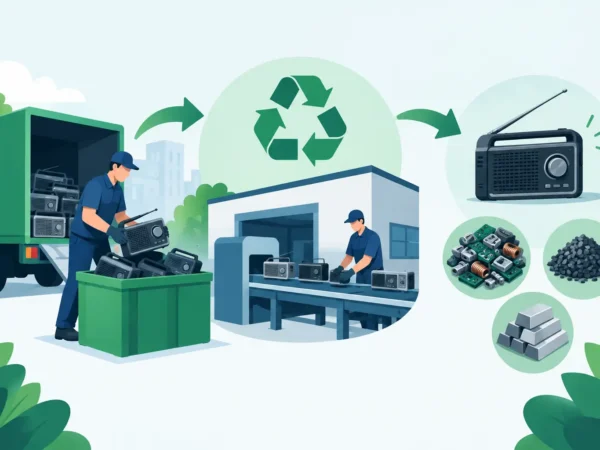
How Reverse Logistics Firms Recover Radio Value
Reverse logistics firms help organizations recover value from retired two-way radios while protecting data, meeting regulations, and reducing…
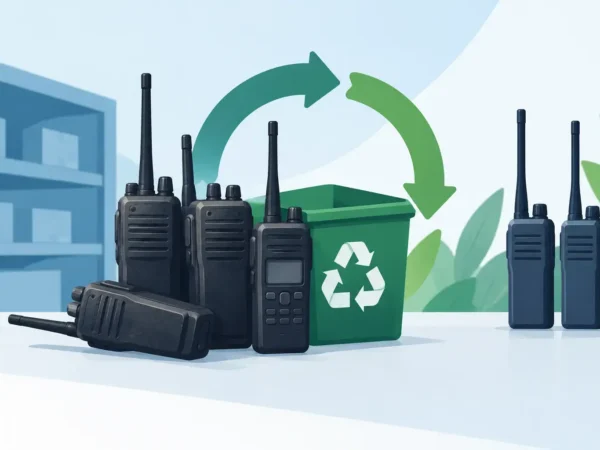
Asset Recovery for Retired Two-Way Radios
Asset recovery turns retired two-way radios into value while protecting sensitive data, simplifying logistics, and meeting applicable recycling…
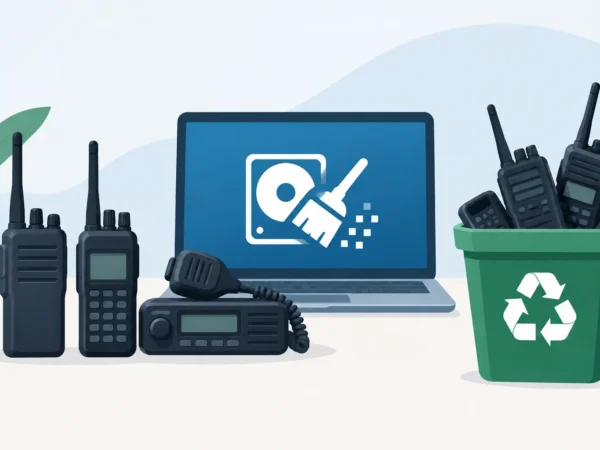
Which Radios Need Data Wiping Before Disposal?
Learn which radios need data wiping before resale, trade-in, or recycling, and how to protect keys, contacts, network…

America’s largest buyer of used two-way radio equipment. Maximizing value, compliance, and sustainability for surplus LMR equipment.
Recycle and Partners