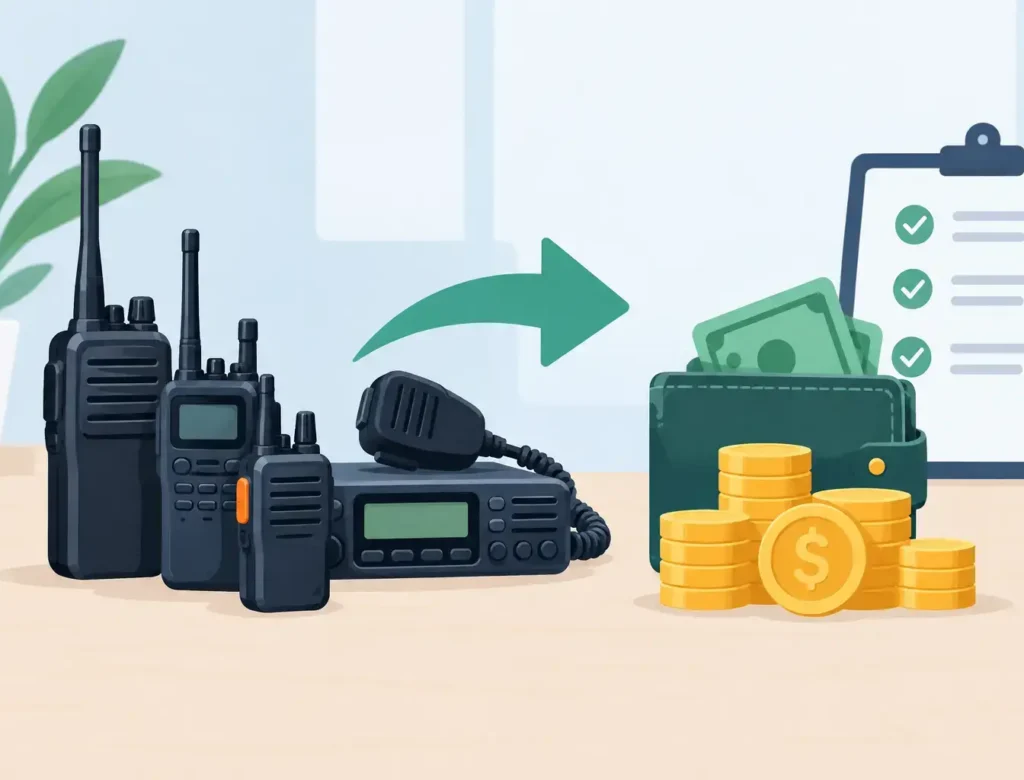
A radio replacement project can leave a hospital, municipality, utility, or warehouse with hundreds of retired devices sitting in cabinets, vehicles, and field locations. Knowing how to prepare a radio buyback before those assets are moved can mean the difference between a fast, documented recovery and a costly disposal problem. The goal is not simply to clear space. It is to recover fair market value, protect sensitive data, and maintain a defensible chain of custody from the first inventory through final payment or recycling.
A prepared buyback gives a specialist enough information to quote accurately, arrange the right pickup method, and determine which items can be resold, traded in, or recycled compliantly. It also reduces the internal labor that often slows down surplus disposition.
Start With a Practical Equipment Inventory
You do not need a perfect asset register to begin, but you do need enough detail to identify what is being offered. Start by gathering equipment in one controlled location where possible. Separate portable radios from mobile radios, base stations, chargers, microphones, batteries, antennas, repeaters, and accessories. Keep radios from different departments or sites identifiable until the inventory is complete.
For each major group of equipment, record the manufacturer, model number, quantity, and general condition. Model numbers are especially important because two radios that look alike can have very different values based on frequency band, feature set, generation, and compatibility. Include whether the equipment is low-band, VHF, UHF, 700/800 MHz, or another configuration when that information is readily available.
Serial numbers can improve accuracy for larger fleets, especially where asset tracking, public-sector controls, or chain-of-custody requirements apply. However, do not let a missing serial-number list stop the process. Clear photos of labels, front panels, and grouped equipment can often support a preliminary valuation while the detailed list is being finalized.
Capture What Affects Resale Value
Condition matters, but organizations should avoid spending excessive time testing every radio before requesting a quote. A buyer that specializes in land mobile radio equipment can evaluate value from model, quantity, configuration, age, and visible condition. Be direct about what is known: whether radios power on, whether batteries are included, whether devices have broken displays or damaged housings, and whether equipment came from a working system.
Accessories should not be treated as an afterthought. A large quantity of compatible chargers, speaker microphones, OEM batteries, vehicle mounts, power supplies, programming cables, or antennas can affect the overall offer. Put like items together and identify quantities rather than sending a mixed description such as “miscellaneous radio parts.”
Secure Programming and Sensitive Data Before a Radio Buyback
Retired radios may hold more than channel names. Depending on the system and device type, they can retain talkgroup assignments, contact lists, fleet maps, encryption keys, Wi-Fi credentials, network settings, GPS information, text messages, and other operational data. For public safety, healthcare, utilities, government agencies, and critical infrastructure operators, that exposure is not theoretical.
Before equipment leaves your control, establish who owns the data-removal decision. This may involve communications staff, IT, information security, legal, or a system administrator. Do not assume that removing a battery or performing a basic reset has cleared all stored information. Some devices require model-specific programming tools and procedures, and encryption-capable radios need particular care.
There are two responsible paths. Your internal team can remove programming and keys under its established process before shipment, or a qualified radio lifecycle provider can perform certified data wiping and document the service. The right approach depends on your security policies, the radio platform, and whether trained staff and proper tools are available internally.
If radios are still active on a managed network, coordinate decommissioning first. Remove units from service, recover assigned accessories, and update your asset records before release. This avoids a common operational failure: equipment is sold while a field user still believes it is assigned and available.
Separate Reusable Equipment From End-of-Life Material
A successful buyback is not limited to radios that look new. Older equipment can retain value when it is serviceable, in demand, or useful for parts. At the same time, some units will be beyond resale because of damage, obsolete technology, missing critical components, or restricted market demand.
Do not discard the lower-value portion before it is reviewed. A specialized buyer can often make a single disposition plan that includes purchased equipment, trade-in credit, and compliant recycling for material with no resale value. This keeps your team from managing separate vendors for reusable assets and e-waste.
The distinction matters for compliance as well as value. Electronics should not be sent to ordinary trash or treated as generic scrap. Batteries, circuit boards, displays, and other components require responsible handling. A documented recycling path helps organizations meet environmental responsibilities and support sustainability reporting without creating new logistics costs.
Prepare Photos and Documentation That Speed Up the Quote
Photos are one of the fastest ways to move a buyback forward. Take clear, well-lit images of grouped radios, model labels, accessories, chargers, mobile units, and any significant damage. For pallets or large lots, include a wide photo that shows the overall quantity and several close-ups that verify models and condition.
Pair the photos with a concise equipment summary. State the estimated quantity, equipment types, model numbers, location or locations, and target timeline. Mention whether the equipment is already palletized, still distributed across sites, or located in secure areas with access restrictions. This lets the buyer plan pickup correctly instead of revising logistics after the quote is accepted.
For organizations with procurement or audit requirements, retain the records supporting the transaction. Depending on your internal policy, this may include the inventory, quote, pickup confirmation, bill of sale, payment record, data-wiping certificate, and recycling documentation. These records demonstrate that retired communications assets were managed through an accountable process.
Pack for Protection, Not Perfection
Packing should protect equipment in transit, but it should not become a barrier to starting the process. Ask the buyer whether it provides packing materials, packing compensation, or pickup support before assigning staff to box hundreds of radios. For a large fleet, a planned pickup is usually safer and more efficient than individually shipping equipment without instructions.
If you are staging the equipment yourself, keep radios dry, secure, and away from extreme temperatures. Use sturdy boxes for smaller quantities and avoid overloading them. Separate loose batteries from radios where required, protect screens and controls from impact, and keep chargers and accessories grouped by model when practical. Label boxes or pallets with simple descriptions that match your inventory.
Do not leave equipment unattended at a loading dock or place it in unsecured waste areas. Until documented transfer occurs, these radios remain your organization’s responsibility. That is particularly significant when units contain identifiable labeling, system programming, or sensitive operational information.
Confirm the Commercial Terms Before Release
A fair offer is only one part of a well-run radio buyback. Before the pickup, confirm what is being purchased, how quantities and condition will be verified, who pays freight, when payment is issued, and what happens to equipment that has no resale value. If trade-in credit is preferred, confirm how the credit will be applied and whether it can support a planned system upgrade.
Ask for clarity on data handling and recycling documentation as well. The provider should be able to explain its process for secure wiping, compliant recycling, and chain-of-custody controls in straightforward terms. For government and enterprise teams, vague assurances are not enough. The process should stand up to procurement review, an internal audit, or a sustainability report.
Also confirm the pickup contact, location rules, hours, loading requirements, and any security procedures for entering the site. A short pre-pickup checklist prevents missed appointments and minimizes disruption to operations.
Make the Buyback Part of Your Replacement Plan
The best time to prepare surplus equipment is before the replacement rollout is complete. Build buyback planning into the project schedule when new radios are ordered or when a fleet refresh is approved. That gives teams time to recover accessories, remove programming responsibly, coordinate end-user returns, and prevent older assets from disappearing into departmental storage.
For organizations replacing large or mixed fleets, a specialist such as Radiowell can simplify the process with same-day valuation, nationwide pickup, payment or trade-in value, documented data handling, and compliant recycling for equipment that cannot be resold. The result is less administrative burden and a clearer outcome for finance, security, facilities, and sustainability teams.
Retired radios still represent a business asset until they are handled correctly. Prepare the inventory, protect the data, document the transfer, and let the value of the equipment support the next phase of your communications program.
More News
-
How Reverse Logistics Firms Recover Radio Value
Reverse logistics firms help organizations recover value from retired two-way radios while protecting data, meeting regulations, and reducing…
Asset Recovery for Retired Two-Way Radios
Asset recovery turns retired two-way radios into value while protecting sensitive data, simplifying logistics, and meeting applicable recycling…
Which Radios Need Data Wiping Before Disposal?
Learn which radios need data wiping before resale, trade-in, or recycling, and how to protect keys, contacts, network…

America’s largest buyer of used two-way radio equipment. Maximizing value, compliance, and sustainability for surplus LMR equipment.
Recycle and Partners