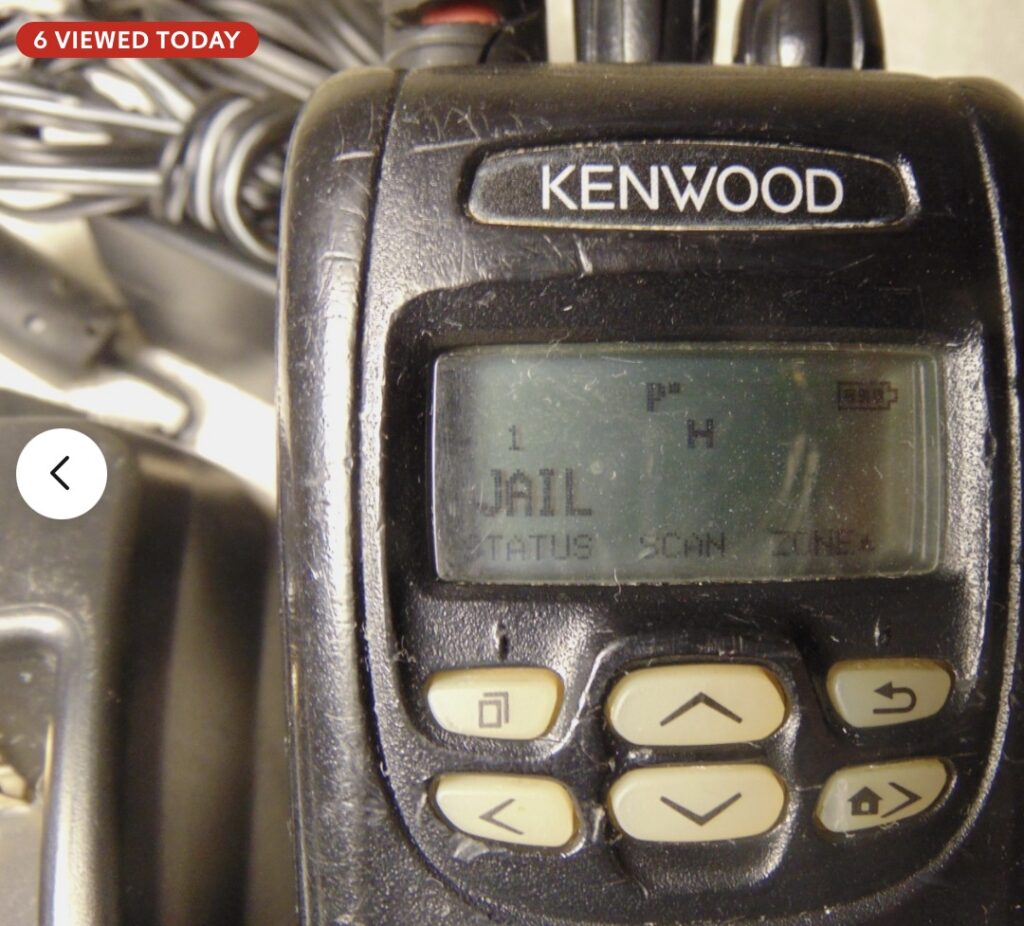
In one example, an electronic waste company prominently displays in its eBay listing, that the radio being sold is still programmed to a local municipality’s P25 jail system. Encryption keys, system programming, and employee information routinely survive disposal, exposing government agencies and businesses to security, financial, and reputational risk

NEW YORK, Aug. 9, 2026 /PRNewswire/ — Radiowell, America’s largest provider of disposal solutions for land mobile radio (LMR) equipment, today released findings from a study of how commercial and government-owned LMR equipment is retired, resold, and recycled. The study found that 35% of radios offered on auction platforms — including eBay and government surplus auction sites — still contained sensitive data that was never erased.

For the study, Radiowell acquired more than 300 two-way radios over a six-month period from government surplus auction sites and commercial marketplaces including eBay, then examined each unit for programming and other data left behind by the previous owner.

The residual data includes system programming, encryption keys, talkgroup and channel assignments, and employee names. In the wrong hands, that information can be used to interfere with emergency communications or to obtain private details about an agency’s operations and personnel.

In one example, a radio resold by an electronics waste recycler in Southern California was used to transmit a false “officer down” call, drawing an emergency response that included a police helicopter. In another, emergency communications in a rural area of Texas were disrupted by radio equipment that had been sold while still programmed, prompting a federal investigation and seizure of the equipment.

The problem is largely caused by failure to follow procedures. Many organizations have no consistent life-cycle management program for two-way radios, and the problem compounds when sub-agencies dispose of equipment on their own rather than following the procedures of the agency that originally programmed it. Even where policy is sound, execution fails.

“We receive large lots of radio equipment every day, and a good portion of it arrives documented as already wiped,” said Andrew Park, Director of Research at Radiowell. “On average, about 3% of that equipment was recorded as sanitized but still held recoverable data. Usually it comes down to a glitch during the wipe process, or a vendor performing wipes with no audit step to verify the erasure actually took.”

Many organizations also underestimate the liability that improper disposal creates. Agencies can be held financially responsible for damages, criminal misuse, or the depletion of emergency resources traced back to equipment they released. They may also face reputational harm or loss of access to radio networks critical to their operations. The same exposure applies to businesses that operate on government and municipal systems, including for-profit ambulance services and utility companies.

Radiowell recommends that any organization retiring LMR equipment adopt a documented disposal process that protects sensitive data and limits legal, financial, and reputational exposure. Radiowell provides clients with a verified data-wiping process that includes serial-level tracking and a complete audit chain, and the company assumes legal responsibility for the equipment it receives, protecting clients from downstream liability.

Government agencies and businesses evaluating disposal options for their radio and LMR equipment can request a consultation at https://www.Radiowell.com.
FEBRUARY 2, 2026 – NEW YORK, NEW YORK – Radiowell, the nation’s largest buyer of used two-way radio equipment, proudly announces the Radios 4 Kids Donation Program. Radiowell spokesperson, Andrew Park, explains, “As a conscience-driven company, we recognize our role in safeguarding America’s students during their critical K–12 education journey. Many public schools lack adequate resources – be they financial or material – to communicate effectively during a crisis. The Radios 4 Kids Donation Program provides used yet functional communication equipment to these institutions free of charge, so their on-campus personnel have the resources at hand when a critical situation arises.”

Two-way radios provide instant, reliable communication, permitting school administrators, teachers, and other on-campus personnel to respond quickly and discreetly at a moment’s notice. From alerting security teams about a suspicious individual on campus to requesting immediate assistance inside a classroom or outside in a common area, radios enable staff to act decisively and discretely without compromising student privacy.

“Two-way radios are a cost-effective way to increase on-campus safety,” says Park, “without putting student privacy at risk.” And unlike cell phones, “they work during emergencies, like power and cellular outages, or fire evacuations.”

Unlike traditional notification systems, such as PA systems, which broadcast information indiscriminately, two-way radios allow targeted, private communication between key parties. This discretion helps schools manage sensitive situations more effectively and can play a critical role in avoiding or minimizing potential incidents.

Recognizing that many public schools struggle with limited budgets and competing funding priorities, Radiowell developed the Radios 4 Kids Donation Program to support accredited public education institutions seeking to enhance their anti-violence and emergency response strategies. Through this program, eligible schools may receive donated two-way radio equipment to supplement existing safety measures, thus extending the communication reach of administrators and staff during all types of emergencies.

Radiowell’s Radios 4 Kids Donation Program operates on a limited-inventory basis. While equipment availability cannot be guaranteed at any given time, the Radiowell team works diligently to fulfill requests as frequently as possible. Educational institutions interested in the Radios 4 Kids Grant Program are encouraged to contact Radiowell directly via this link. Each request is reviewed and matched, when possible, with available inventory.

About Radiowell

25 years ago, we created Radiowell as a passion project. Today, Radiowell is the number one rated buyer of used radio equipment in North America. Radiowell continues to be best place to sell used radio equipment due to its commitment to environmental responsibility. By purchasing both excess and outdated equipment, we reduce the strain on America’s landfills, ensuring that equipment is repurposed as often as necessary for a more sustainable planet. Radiowell takes pride in acquiring, repairing, redistributing, or recycling unneeded two-way radio equipment to achieve the healthiest impact for all stakeholders.

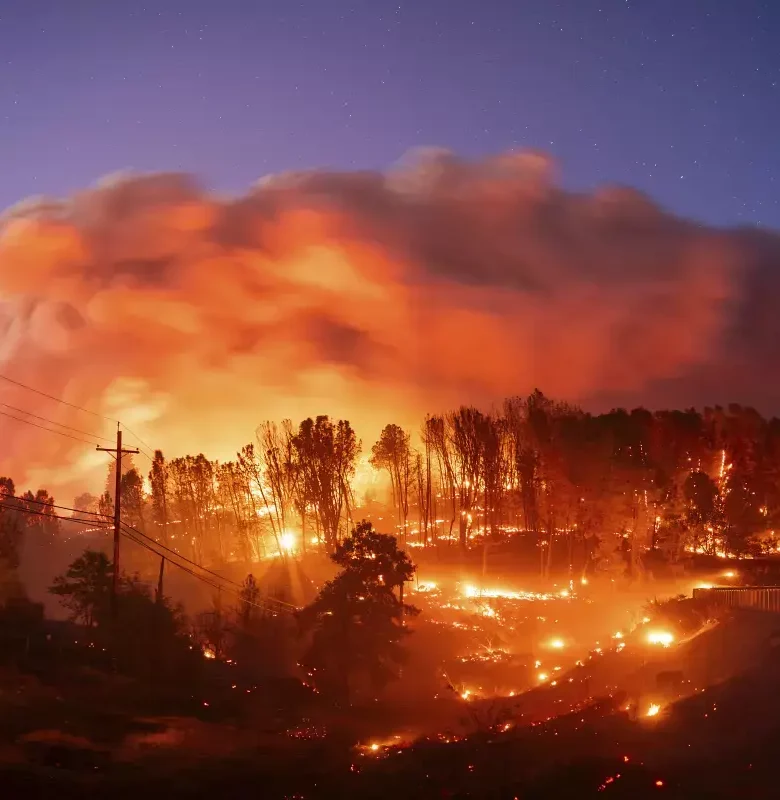
For Californians living in Pacific Palisades, Alta Dena, Pasadena, and surrounding areas, January 2025 has begun with devastation, uncertainty, and displacement. At the time of this release, the Palisades Fire and the Eaton Fire have continued to burn in Los Angeles County without full containment for the 13th consecutive day since ignition on January 7, 2025. Early reports indicate that approximately 40,603 acres have burned, 15,467 structures have been destroyed, and 27 lives have been lost. And, sadly, those numbers are expected to climb as investigators continue surveying the damage.

Radiowell has been deeply committed to providing fire safety organizations and first responders with much needed radio equipment since its inception and is a partner of One Tree Planted – a non-profit environmental organization. 

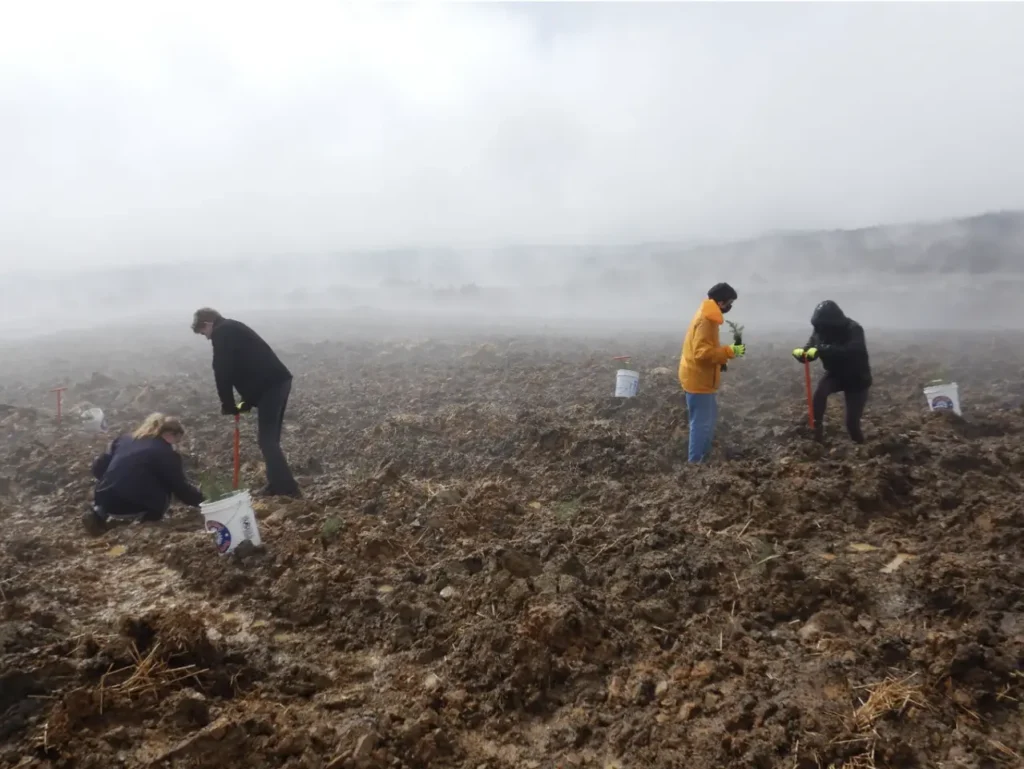
In the wake of these devastating fires, Radiowell, has vowed to replace 10,000 trees lost in these unprecedented wild fires. These trees will be planted in local parks within California.

According to Radiowell spokesperson Andrew Park, “Never has our commitment to the environment been more necessary than in the wake of California’s wild fires. Lack of trees impact wildlife, our climate, and the very air we breathe. Helping restore these lost trees is tantamount to restoring hope to California.”

About Radiowell

At Radiowell, we recognize the impact humanity has on the environment, and we strive to reduce the negative impact improperly discarded radio equipment has on our world. Our conscience-driven approach has kept decommissioned and unwanted two-way radio equipment out of landfills via appropriate recycling measures or keeping radios in service by selling and/or donating them to those who can repurpose them. If your objectives align with our dedication to long-term environmental sustainability, reach out to us for information about our services. 

JUNE 6 – NEW YORK – Radiowell is warning hospitals and healthcare administrators that transmitting private information over two-way radios ( aka walkie talkies ) could violate HIPAA and privacy laws, and pose a serious risk to patient safety.

Last month, a Radiowell executive witnessed emergency room nurses using inexpensive Amazon-purchased radios to convey patient information in a New York hospital. Spokesperson Andrew Park explains, “ER nurses were discussing patient information via unencrypted and license-free radios. This put the facility at risk of violating HIPPA laws and also jeopardizes patient safety.”

Inexperienced buyers of radios are easily misled by “privacy” claims on Amazon from Chinese radio manufacturers that advertise their “license-free” radios as suitable for healthcare environments. But since these radios are not encrypted, their transmissions can be monitored by anyone with a $40 radio scanner. These radios might be suitable in countries with weak patient privacy and compliance laws, but they do not belong in American hospitals.

Unsecure radios also present significant safety risks to patients. Since almost anyone can interfere with their communications, the risk of fake transmissions puts lives at risk. “We’ve heard of police helicopters dispatched by fake radio transmissions, so there’s reason to believe that bad actors would cause the same havoc in a hospital,” explained Park.

Radiowell is advising hospitals and entities that use 2-way radios to transmit private information to take these immediate actions:

  1. Immediately cease all two-way radio communication of private information until their radios are verified as “HIPPA compliant.”
  2. Do not use equipment advertised as “license-free.” Instead, switch to commercial and encrypted equipment from major radio manufacturers.
  3. If using Push-to-Talk over cellular radios, arrange for your IT administrator to perform an end-to-end audit of the software, operating systems, and web platforms managing these devices. These devices have numerous security vulnerabilities that are not yet fully understood but are a major security concern for their users.
  4. Consult a professional radio dealer to determine the best options for encrypted communications over licensed and commercial frequencies.
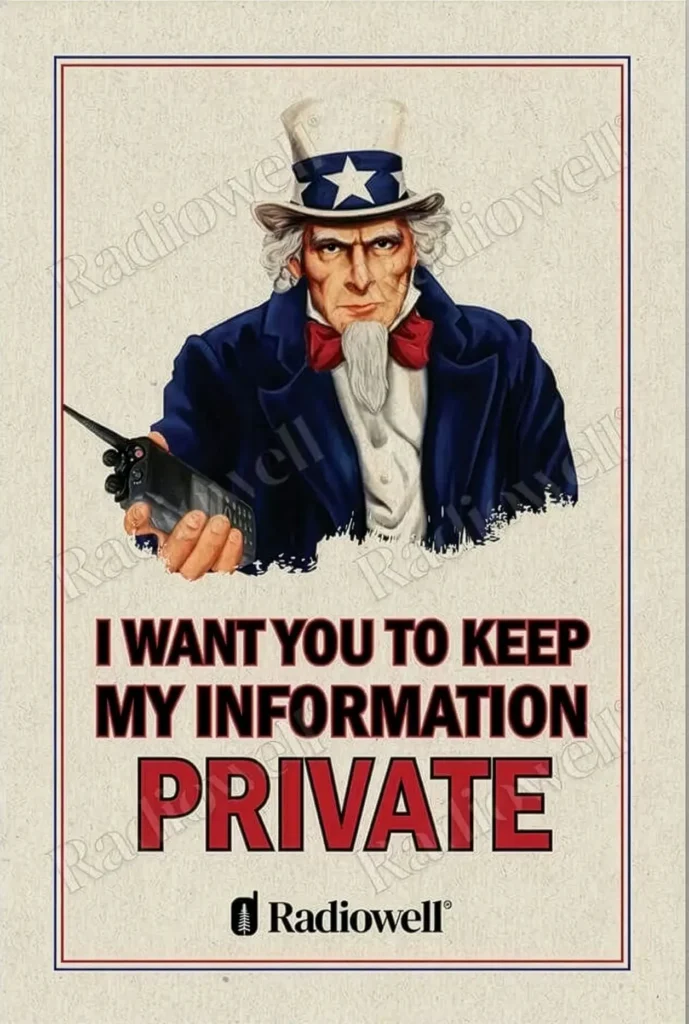
  5. Educate hospital staff on private radio communications. To support staff training, Radiowell is providing a limited supply of no cost privacy stickers and posters on its website.

About Radiowell:

Radiowell is dedicated to preventing the nation’s landfills from being the dumping grounds for end-of-life commercial and government radios. What began 25 years ago as a passion project has now become the nation’s largest buyer of obsolete, surplus, and used radio equipment. Companies, governments, and other organizations that wish to sell their used radio equipment can contact Radiowell for an offer.

NEW YORK, NY – Despite awareness about electronics recycling and the dangers of hazardous materials, many unwanted consumer-owned two-way radios still end up in America’s landfills. These electronic devices, along with other types of electronic waste, can leach toxic chemicals into the soil, and, ultimately, the groundwater, causing a myriad of health and environmental problems.

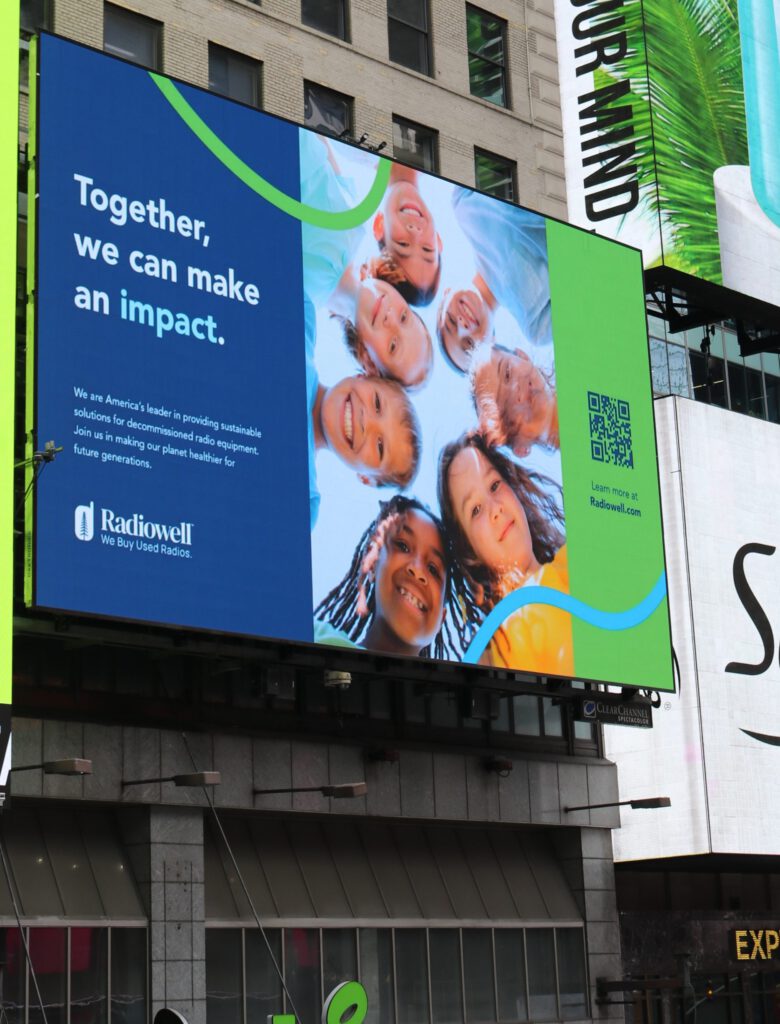
Commercial radio users typically understand the importance of properly recycling their outdated or unwanted equipment, including the serious legal consequences if they fail to. But general consumers may not; so Radiowell launched a national ad campaign to increase consumer awareness about this important practice. Radiowell spokesperson Andrew Park explains, “Consumers may not know how to properly recycle or dispose of their old two-way radios. Although some may save them for community e-waste drop-off events or deposit them in recycle bins at local electronics stores, we fear most don’t.”

All too often, nonfunctional or discarded radios end up as temporary backyard toys for children until they’re finally thrown away for good. “Unfortunately, widespread knowledge about radio and battery recycling is sorely lacking,” says Park, “and after much brainstorming, we decided to address the topic in a multi-pronged ad campaign spanning print, digital, and other mediums to spread the word.”

When radios and batteries end up in landfills and subsequently degrade, they can endanger landfill workers, nearby residents, and the environment. Radios contain a multitude of chemicals, such as lead and mercury, that are known to cause developmental problems for young children. They also contain cadmium, which has been linked to various types of cancer, so it is imperative to create nationwide awareness about proper disposal and recycling in order to ensure the long-term health of both citizens and the environment.

In addition to protecting the environment and its inhabitants, Radiowell bears the costs of planting one tree for every single commercial radio it purchases. To date, Radiowell’s reforestation partnership has planted trees in 43 states and 150 national forests.

About Radiowell

Since its inception, Radiowell has dedicated its efforts to preventing the nation’s landfills from being the dumping grounds for end-of-life commercial and government radios. What began 25 years ago as a passion project has now become the nation’s largest buyer of obsolete, surplus, and used radio equipment.

Radiowell, America’s leading authority on the value of used radio equipment, released more findings from its 2023 market research. The latest opinion, which was based on the analysis of thousands of used-radio transactions, ranks the best channels for government agencies to sell their used, surplus, and end-of-life radio communications equipment. The analysis reviewed transaction prices and other important factors like risk, compliance, and resource requirements.

The below ranks selling channels from highest to lowest financial return:


Government agencies have many options for the disposition of their surplus radio equipment.  While there will always be exceptions, we encourage them to begin the disposition process by contacting nearby government agencies for an offer.

About Radiowell

At Radiowell, our purpose is to reduce the environmental impact of decommissioned radio equipment. It began as a passion project and evolved over the last 25 years to us becoming the largest buyer of used radio equipment in America. As a conscience-driven company, we’re committed to keeping unneeded, outdated, or unwanted two-way radio equipment out of our nation’s landfills. As such, Radiowell repurposes decommissioned radio equipment for parts and donations. Interested entities may contact us  to sell their surplus used radio equipment.

Source: https://www.prnewswire.com/news-releases/radiowell-ranks-the-best-places-to-sell-government-radios-302137428.html

NEW YORK, Feb. 20, 2024 /PRNewswire/ — As part of Toyota Industries Group’s continuing effort to support sustainability, Toyota Industries Compressor Parts America (TICA) has selected Radiowell for sustainable disposition of its used communication equipment.

The “largest manufacturer of vehicle compressors for air conditioning systems,” TICA produces nearly 5 million units for the automotive industry and strives to “Make the earth a better place to live, enrich lifestyles, and promote a compassionate society,” according to its website. A spokesperson for TICA says, “Toyota has several environmental partners supporting our efforts toward environmental sustainability. Selecting Radiowell afforded us an opportunity to further minimize waste while enhancing biodiversity through reforestation.”

TICA selected Radiowell because of its ongoing commitment to engage with partners who have a shared vision of the value of sustainable solutions. Many of their surplus radios were in turn donated to the American Red Cross via the Radiowell GRANT program and will be used to support the communication needs of emergency service providers in more than 60 Pennsylvania counties. And as part of Radiowell’s “1 Radio = 1 Tree” program, TICA’s used radios will result in further support of the reforestation of the Appalachia Mountains initiative.

Radiowell covers the costs incurred to plant trees in exchange for the opportunity to recycle unwanted but usable two-way radios as well as related equipment. “The planet’s health is of utmost importance to us, and we strive to limit functional, yet unwanted communication equipment from being discarded and populating our nation’s landfills,” said Radiowell spokesperson Andrew Park.

Click here for further information about Radiowell’s GRANT to the American Red Cross. Companies and government agencies seeking solutions for their used radio equipment should complete the Sell Used Radios form to learn how their decommissioned radios can be repurposed for maximum value and minimal environmental impact. Radiowell specializes in asset disposition of end of life radios.

About Radiowell:

Founded in 1998, Radiowell began as a passion project and has continued to grow into America’s largest buyer of used two-way radio equipment. Radiowell is a conscience-driven company dedicated to repurposing decommissioned used radio equipment. Radiowell buys surplus radios or used two-way radios as well as wireless equipment, thus offering interested parties opportunities to reuse, repair, or recycle their unwanted, outdated, or unneeded equipment. Interested donation recipients may learn more about Radiowell’s GRANT program here.

NEW YORK , Feb. 6, 2024 /PRNewswire/ The American Red Cross of Greater Pennsylvania is the latest recipient of Radiowell’s GRANT program, which provides public safety organizations with complimentary two-way radio equipment to support their life-saving missions. As America’s leading buyer and recycler of radio equipment, Radiowell has a responsibility to support those who depend on wireless communication to protect the nation’s communities.

The Red Cross of Greater Pennsylvania was the ideal candidate for Radiowell’s GRANT program. It serves 61 of the 67 counties in Pennsylvania and plans to use the radio equipment to assist with emergency communication and disaster preparedness training. Radiowell spokesperson, Andrew Park, explains: “The Red Cross of Greater Pennsylvania consists of over more than 1,000 brave individuals who dedicate their personal time and resources to serve our communities when disaster strikes. They’ve protected Pennsylvania for well over 100 years and will be around for the next 100. We’re honored to help this prestigious organization, and we encourage other corporate leaders to do the same.”

Radiowell’s donation is an encouraging illustration of the possibilities of public and private partnerships. Most of the donated equipment originated from Toyota Manufacturing and Worthington Steel, which hired Radiowell to remove their used-radio assets as they sought a sustainable alternative to traditional asset disposition. The equipment consisted of portable radio equipment manufactured by Motorola, Kenwood, and Hytera in the UHF frequency band and supports both digital and analog transmissions.

Radiowell will continue to seek industry-leading methods of recycling and reusing old two-way radios, wireless, and related equipment. In addition to its GRANT program, Radiowell pays the cost of planting one new tree for each used radio it receives via its One Tree initiative. “Our purpose is to do something good for the planet. This means keeping functional radio equipment out of landfills and making the planet healthier with our One Tree initiative,” explains Park. Radiowell will offer more two-way radio GRANTs to eligible U.S.-based public safety organizations that are vital to our nation’s safety. Interested agencies and organizations should visit https://www.radiowell.com/grants/ to determine their eligibility and apply for consideration.

Sustainable asset disposition is a core competency of Radiowell. Companies and government agencies seeking solutions for their used radio equipment should complete the Sell Used Radios form to learn how their decommissioned radios can be repurposed for maximum value and minimal environmental impact. Radiowell specializes in asset disposition of used radios.

Source: https://www.prnewswire.com/news-releases/radiowell-supports-red-cross-with-radio-donation-302055186.html

About Radiowell

25 years ago, we created Radiowell as a passion project. Today, Radiowell is the number one rated buyer of used radio equipment in North America. Radiowell continues to be best place to sell used radio equipment due to its commitment to environmental responsibility. By purchasing both excess and outdated equipment, we reduce the strain on America’s landfills, ensuring that equipment is repurposed as often as necessary for a more sustainable planet. Radiowell takes pride in acquiring, repairing, redistributing, or recycling unneeded two-way radio equipment to achieve the healthiest impact for all stakeholders.

NEW YORK, Jan. 10, 2024 /PRNewswire/ — Radiowell, America’s largest buyer of surplus and used two-way radio equipment, forecasted a correction in used-radio prices in 2024. The company cautioned that industry headwinds will cause prices to recede to historically low levels, well below the post-COVID spike experienced in 2021–2022.

Many public networks have transitioned to P25 Phase 2 (TDMA) – or have plans to do so. This means that existing P25 equipment is obsolete and cannot be repurposed. “Like many emerging technologies, the initial transition to TDMA was slow, but now it’s quick and reached critical mass,” explains Radiowell spokesperson, Andrew Park. “In addition to the sunsetting of P25, we are also seeing new DMR standards emerge, thus rendering old equipment obsolete at the quickest pace in recent memory.”

Another headwind comes from radio parts availability. Post-COVID supply constraints have eased significantly, with many supply chains returning to normal as chip and other shortages end. Some manufacturers have surplus inventory while others have transitioned to a new normal of reduced or “disciplined” production. While there are exceptions, they are mostly by manufacturers focusing on more-profitable production and allocating lower priority to less profitable parts. But in any scenario, the long backorders seen in 2021-22 ended in 2023.

2024 also brings the planned obsolescence of popular models from major manufacturers. Many once-coveted models can no longer be repaired or maintained, encouraging equipment owners to abandon them as quickly as possible. “Long gone are the days of long-tail analog life cycles…now product cycles are more like iPhones,” explains Park.

And worthy of noting, Radiowell forecasts “subscription as a service” models further depressing prices. These SaaS models are similar to cellular phone contracts, restricting access to only certain radios and rarely allowing use of a client’s existing equipment.

There will be a flood of unusable equipment in 2024, making it the worst year for values in recent memory. Park explains, “We caution anyone with capital at risk to reevaluate their exposure to what will be a difficult environment in 2024 and likely beyond. Lenders and finance companies should consider accelerated depreciation, asset markdowns, and other asset valuation techniques.”

Companies and government agencies seeking solutions for their used radio equipment should complete the Sell Used Radios form to learn how their decommissioned radios can be repurposed for maximum value and environmental impact. Radiowell specializes in asset disposition of used radios.

About Radiowell

25 years ago, we created Radiowell as a passion project. Today, Radiowell is the number one rated buyer of used radio equipment in North America. Radiowell continues to be best place to sell used radio equipment due to its commitment to environmental responsibility. By purchasing both excess and outdated equipment, we reduce the strain on America’s landfills, ensuring that equipment is repurposed as often as necessary for a more sustainable planet. Radiowell takes pride in acquiring, repairing, redistributing, or recycling unneeded two-way radio equipment to achieve the healthiest impact for all stakeholders.

NEW YORK, NY: September 7, 2023/PRNewswire/  – Worthington Industries (NYSE: WOR) is a multi-billion dollar steel processing company with a history of living by the Golden Rule, and its recent asset disposition partnership with Radiowell – America’s largest wholesaler of used two-way radios – will support under-funded volunteer fire departments.

Radiowell’s Sustainability Initiative Attracted Worthington: Worthington Industries had a surplus of two-way radio equipment that was no longer needed, so the company sought the assistance of Radiowell for sustainable asset disposition. Radiowell is the only land mobile company with sustainability tied to its business results. With its strategic partnerships, Radiowell plants one tree in America’s forests for each radio it receives.

And through its GRANT program, Radiowell distributes functional secondhand equipment to public safety organizations in need of support. The equipment is given to the recipients free of charge.

Worthington’s equipment will support the life-saving work of volunteer fire fighters. Worthington’s transformation manager Jeffery Smith says, “Radiowell’s commitment to sustainability echoes our own desire to reduce greenhouse gas emissions while working toward net-zero emissions by 2050. Knowing that some of our old equipment will be put to use in the field and will support the vital work done by volunteer fire fighters made the decision to partner with Radiowell a simple yet satisfying one.”

Discarded, yet mechanically-sound electronics often end up in landfills simply because no one has made a commitment to finding an appropriate partner with the right resources. According to Radiowell spokesperson Andrew Park, “Partnerships with corporate leaders like Worthington ensure that used radio equipment is decommissioned properly, so that each and every component is disposed of appropriately and sustainably.”

About Radiowell

Radiowell partners with leading organizations to extend the life of existing communications equipment and to plant new trees for each radio it receives. Certain equipment is donated and other equipment is either sold for parts or recycled.

Radiowell encourages eligible public safety rescue agencies, including EMS, fire, and police organizations to submit an application for consideration of a future equipment donation. Visit the GRANT Program page here for more details. Grants are not guaranteed and are contingent upon current inventory and other limitations.

Leading companies or government agencies that seek a better purpose for their used two-way equipment should visit the Sell My Used Two-Way Radios form on Radiowell’s site.